A look at the Espressif Installation Manager (EIM) integration in the ESP-IDF Extension for VS Code, and a roundup of all major improvements across v1.10.x, v1.11.x, v2.0.2, and v2.1.0.
This article introduces the redesigned ESP-Brookesia v0.7 architecture, from Utils, HAL, and General Service to AI Agent and AI Expression. It explains how these modules fit together and highlights two examples that help you quickly understand how to build AIoT interaction products on top of the framework.
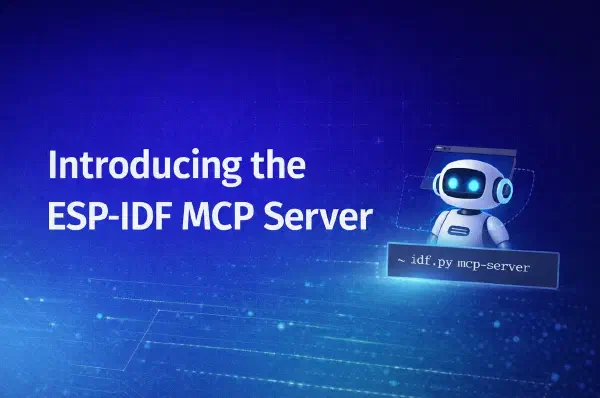
ESP-IDF v6.0 introduces the Tools local MCP server, a feature that lets AI clients like Cursor and Claude Code control your projects – setting targets, building, flashing, and checking status. This article explains how it works and walks you through setup step by step.
When an ESP-IDF project uses ExternalProject_Add(), compiler options driven by Kconfig and components do not flow into the nested build on their own. This post walks through why that happens and how to keep the outer and inner CMake worlds aligned.
AI assistants are most effective on ESP32 Rust firmware when you supply clear specs, pinned crates, reference implementations (often ESP-IDF C), and a tight verify loop. The article discusses good practices, pitfalls, discipline, and entropy. A brief explanation about the device is also included, along with the repository and all artifacts.
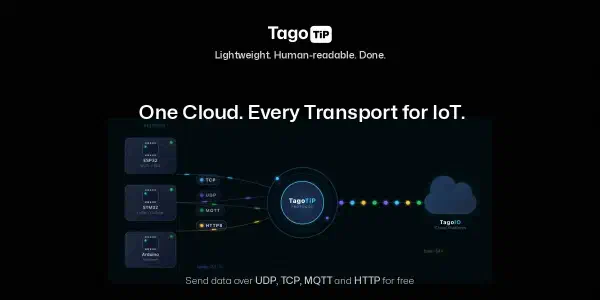
Connecting an ESP32 to a cloud platform usually means HTTP libraries, JSON parsers, and TLS handshakes. This tutorial shows a different approach: a single UDP datagram, built with snprintf, carrying structured sensor data in about 130 bytes. The TagoTiP open specification makes it possible by defining the data structure so you don’t have to.
This article presents two C++ ESP32 components: wifi_manager for seamless network connection and Deep Sleep for power-saving operation, both easily integrated using provided code examples. It also lists additional ESP-IDF components to streamline development.
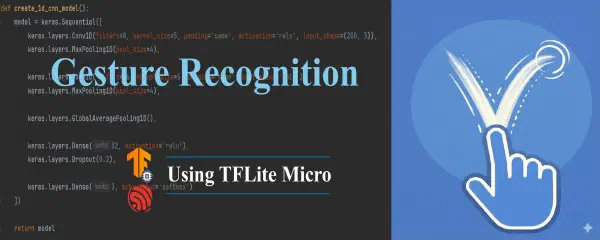
This article demonstrates how to implement gesture recognition using TensorFlow Lite Micro on Espressif SoCs. It covers the complete workflow from data collection and model training to model deployment, showcasing TensorFlow Lite Micro’s applications in edge AI.
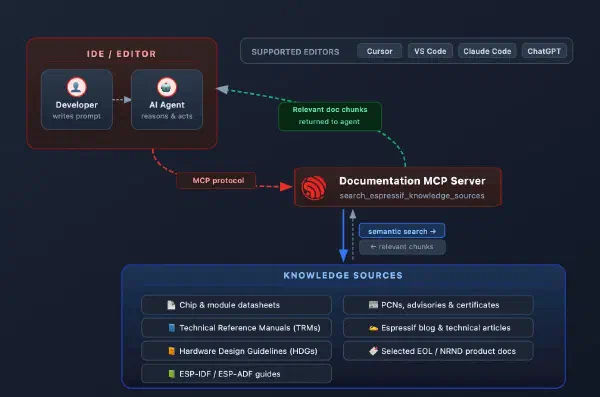
This article introduces how to connect your AI agent to official, up-to-date Espressif documentation directly inside your AI applications — with installation steps, example prompts, and best practices.
ESP-IDF v6.0 switches the default C library from Newlib to PicolibC. This article compares both libraries in terms of memory usage, stdio behavior, compatibility, and migration tradeoffs, and explains when keeping Newlib still makes sense.
Learn what the ESP-IDF SPIFFS component is, how it works with the VFS layer and standard C file APIs, and how to use the SPIFFSgen tool to embed files. This article is a practical guide with references to the official example.
We’re excited to announce the long-awaited release of ESP-IDF 6.0! This article highlights the key changes and improvements not only to ESP-IDF itself, but also to the broader ESP-IDF tooling ecosystem, all designed to enhance your developer experience.
The RED DA Assessment Tool simplifies the process of achieving cybersecurity compliance for ESP32 devices in line with the EU’s EN 18031 standards. This article explains how the tool helps you gather, validate, and generate all necessary documentation for RED Delegated Act self-assessment, including uploading configuration and SBOM files, completing risk assessments, mapping technical requirements, and preparing a declaration of conformity—making self-declaration fast, accurate, and accessible for IoT developers.
The EU Cyber Resilience Act introduces mandatory cybersecurity requirements for products with digital elements placed on the EU market. This blog outlines what the CRA means for ESP32-based products, the obligations for OEM manufacturers, and how Espressif will support customers in achieving compliance.
This article explains how manufacturers can use the ESP32 ecosystem to build and maintain secure firmware over time, especially in light of new regulations like the EU Cyber Resilience Act. It highlights tools such as vulnerability dashboards, Long-Term Support branches, and secure OTA updates to ensure ongoing compliance and device security.
The ESP-IDF Installation Manager (EIM) v0.8 introduces simplified installation across Windows, macOS, and Linux through native package managers. This article covers the new release features, installation methods, offline capabilities, and headless usage for CI/CD pipelines.
Learn how to use the ESP-IDF button component to handle GPIO buttons with event detection, debouncing, and callbacks. A step-by-step guide with practical code examples.
In this article, we explore how to configure GPIO pins as inputs in ESP-IDF and discuss the importance of pull-up/pull-down resistors. We will try two approaches for reading GPIO values: polling and event-driven interrupts, showing how to implement each method effectively.
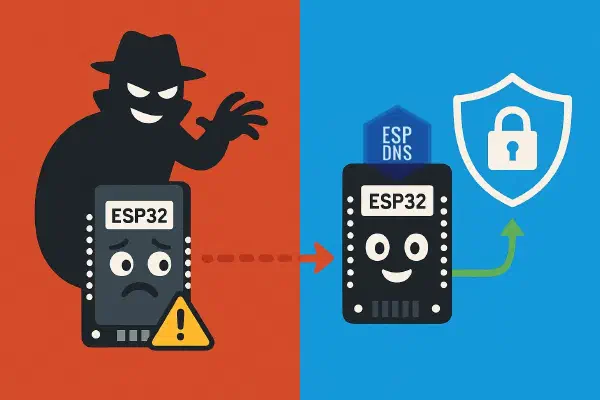
This article introduces the ESP DNS component and explains why securing DNS resolution is essential for ESP32-based IoT devices. It shows how DNS over TLS (DoT) and DNS over HTTPS (DoH) can be enabled transparently in ESP-IDF with minimal code changes, using standard DNS APIs. Practical examples and guidance help developers choose the right protocol while balancing security, performance, and resource constraints.
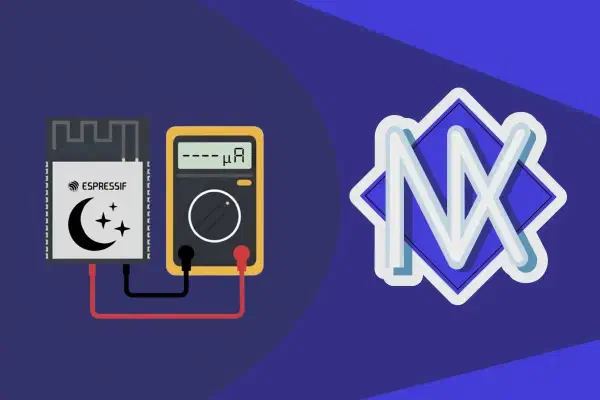
This article walks through Espressif power modes and NuttX power states, then explains how they map to each other. Then it introduces NuttX’s power management system and the concept of governors. The how-to part shows how to control sleep modes from the shell and a custom application. Finally, you will see real power‑consumption measurements across multiple ESP chips to illustrate the practical impact using power states.
This article explains how to configure and control GPIO pins on Espressif SoCs, covering push-pull and open-drain output modes, drive capability, and library usage. It then provides a hands-on example of blinking an LED using gpio_set_direction and gpio_set_level on a ESP32-C61-DevKitC.
This article announces the ESP-IDF port of Amazon KVS WebRTC SDK, featuring memory optimizations, split mode power savings, and a simplified API. We also showcase ESP RainMaker Camera as a production-ready use-case built on this SDK.
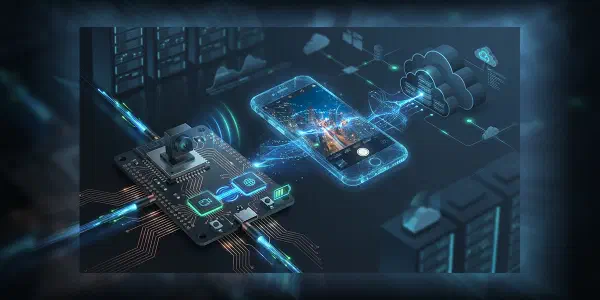
This article describes the Matter camera features introduced in Matter 1.5 and discusses camera support for the ESP32 series of SoCs using Espressif Matter SDK
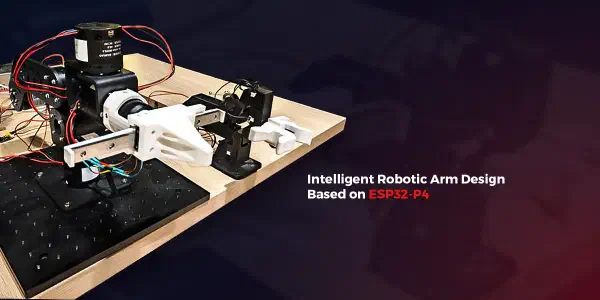
This article demonstrates how to implement an independently controllable robotic arm project based on the ESP32-P4 high-performance MCU. It covers complete kinematics, visual detection, and remote control, showcasing the great potential of ESP32-P4 in industrial applications.
This guide provides a practical getting‑started walkthrough for using MCUboot on ESP32. It covers step-by-step environment setup, bootloader building, application configuration, and flashing. It also gives an overview of MCUboot’s execution flow.
This article introduces fuzzing — a technique for finding vulnerabilities — and demonstrates practical workflows and lessons learned for ESP-IDF components and embedded libraries in general.
This article introduces the Thread Credentials Sharing feature, explains why it is important, how it works, and provides a demo using M5Stack Thread Border Router and SmartThings app.
This article explains what are the default values in the ESP-IDF configuration and how they are managed in the configuration system in the upcoming ESP-IDF v6. The purpose and behavior of default values are described. This article also explains what is a conflict in default values and how to resolve it with the “idf.py refresh-config” command.
Learn how to create, structure, and publish Arduino libraries for ESP32. This step-by-step guide covers everything from understanding a library structure to submitting your library to the Arduino Library Manager.