The CRA’s vulnerability reporting obligations start on 11 September 2026 and apply to products already on the market, including ones sold years ago. What Article 14 requires, which duties run to whom, how reporting works through the ENISA Single Reporting Platform, and where the Espressif platform layer fits.
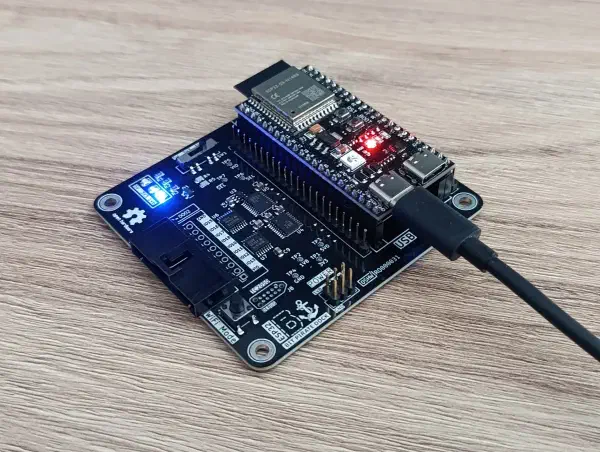
ESP32 Bit Pirate turns an ESP32-S3 into a scriptable multi-protocol workbench with more than twenty modes, a web and serial CLI, and dump and sniff tooling. This article walks through the firmware and the two open-hardware companions that extend it: a carrier dock with selectable 1.8 V, 3.3 V and 5 V level translation, and an ESP32-C5 adapter that adds a dual-band radio.
esparagus is an ESP32-family flasher written in Rust — a behavioral port of esptool’s protocol, sync, reset, and stub-loader paths, wrapped in an observability layer built for programs rather than humans: NDJSON events, a machine-readable report file, stable exit codes, and an expect-style serial monitor with built-in crash detection. This article explains why that layer exists, how the flash-test-fix feedback loop works, and the three ways to integrate it — direct CLI, an Agent Skill, and an MCP server.
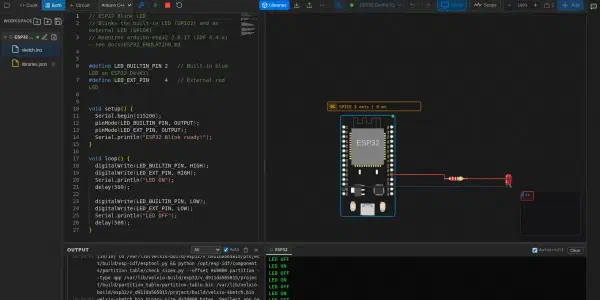
This article introduces Velxio, an open-source, browser-based embedded simulator that runs real ESP32 firmware on emulated hardware. It explains how the simulator works under the hood, demonstrates LED, Wi-Fi, MQTT, and sensor based projects, and highlights support for multiple boards across the ESP32 family.
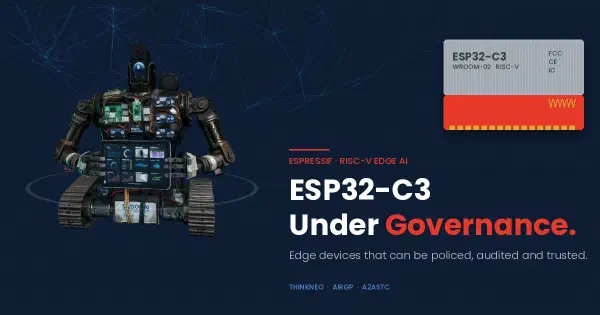
FOFOCA is an open-source reference design for an AI-governed household robot, built around a Raspberry Pi 5 brain, an ESP32 for real-time motor control and sensor polling, and an ESP32-C3 driving an OLED status display over MQTT. This article walks through the hardware architecture, the firmware running on each Espressif chip, and how all of it connects to a local edge AI server running NVIDIA Nemotron Nano 8B for inference — no cloud dependency required.
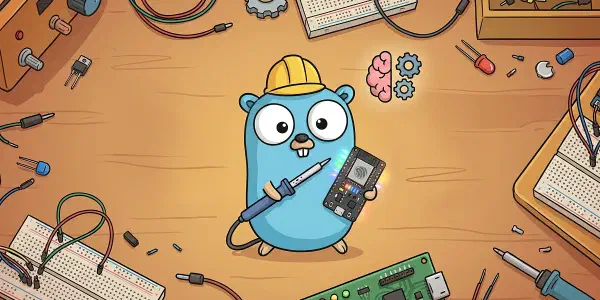
Hands-on embedded development with TinyGo and Go on ESP32 microcontrollers. Learn GPIO control, displays, sensors, Wi-Fi connectivity, and edge AI concepts through practical assignments.
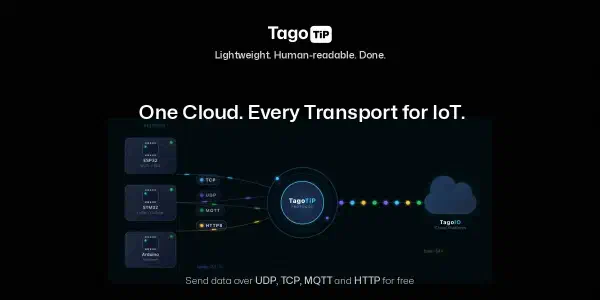
Connecting an ESP32 to a cloud platform usually means HTTP libraries, JSON parsers, and TLS handshakes. This tutorial shows a different approach: a single UDP datagram, built with snprintf, carrying structured sensor data in about 130 bytes. The TagoTiP open specification makes it possible by defining the data structure so you don’t have to.
The RED DA Assessment Tool simplifies the process of achieving cybersecurity compliance for ESP32 devices in line with the EU’s EN 18031 standards. This article explains how the tool helps you gather, validate, and generate all necessary documentation for RED Delegated Act self-assessment, including uploading configuration and SBOM files, completing risk assessments, mapping technical requirements, and preparing a declaration of conformity—making self-declaration fast, accurate, and accessible for IoT developers.
The EU Cyber Resilience Act introduces mandatory cybersecurity requirements for products with digital elements placed on the EU market. This blog outlines what the CRA means for ESP32-based products, the obligations for OEM manufacturers, and how Espressif will support customers in achieving compliance.
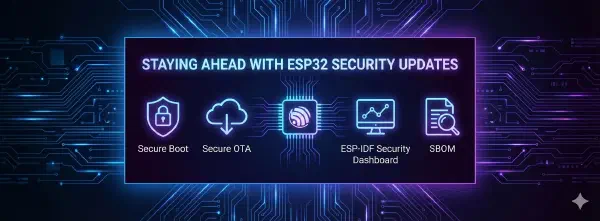
This article explains how manufacturers can use the ESP32 ecosystem to build and maintain secure firmware over time, especially in light of new regulations like the EU Cyber Resilience Act. It highlights tools such as vulnerability dashboards, Long-Term Support branches, and secure OTA updates to ensure ongoing compliance and device security.
Learn how to set up the ESP32 Arduino Core development environment, including Arduino IDE installation and ESP32 board package setup using both the Board Manager and manual Git installation methods.
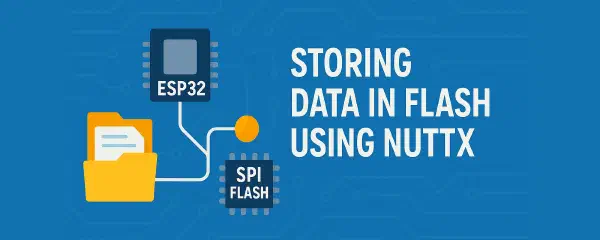
This guide explores how to utilize flash memory for persistent data storage in NuttX-based embedded systems, covering SPI Flash fundamentals, file system options (SmartFS, SPIFFS, LittleFS), and practical implementation of a boot time logging application with Wi-Fi and NTP synchronization.
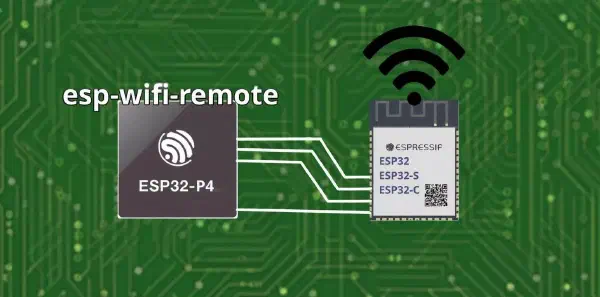
This blog post introduces the esp-wifi-remote component, which extends Wi-Fi functionality to ESP32 chips that lack native Wi-Fi support. We will explore the esp-wifi-remote ecosystem, its components, architecture, and integration with esp-hosted.
Fast and secure device restoration during boot-up is critical for real-time IoT applications like smart lighting. In this article, we explore how to reduce boot-up delays by restoring device state early, directly from the ESP-IDF bootloader.
Espressif is streamlining RED Delegated Act (RED-DA) compliance by providing pre-certified firmware platforms, documentation templates, and partner support to help developers meet the upcoming EN 18031 standard. With flexible pathways including self-declaration and third-party assessments, developers can accelerate EU market readiness for Aug 2025 and beyond.
This article extends the NuttX motor control system with inertial measurement unit (IMU) sensor integration for vibration measurement and wireless data streaming capabilities using the ESP32-C6 Wi-Fi connectivity.
Mosquitto – the industry-standard MQTT broker – has been ported to ESP-IDF. Its lightweight version retains Mosquitto’s core functionality and security features to run on resource-constrained IoT devices. This MQTT broker is ideal for edge computing, testing, and standalone IoT deployments. In this article, we will do an overview and show you how to get started.
This article demonstrates how to implement motor control and speed sensing on an ESP32-C6 using NuttX RTOS. It covers setting up MCPWM for motor control, ADC for potentiometer reading, and quadrature encoder for speed measurement. The implementation showcases NuttX’s real-time capabilities through a practical example using common peripherals and sensors.
Discover the ESP32-P4 EYE DevKit — a compact, camera-focused development board designed for real-time image processing and edge computing. Learn how this powerful, low-cost solution can accelerate your next smart camera or IoT project.
This guide helps manufacturers of wireless-enabled products based on Espressif modules understand the RED DA (EN 18031) cybersecurity requirements, identify their product’s category, and determine the right path to certification before launching in the EU market.
This article provides a high level overview of the security architecture of the ESP RainMaker IoT platform, covering all aspects like device hardware and network security, client network security, authentication and access control, user-device mapping, cloud data security and certifications.
This is an introduction to the critical embedded system debugging techniques of tracing and profiling within the Zephyr RTOS. After reading this article, you can use Zephyr’s native tracing tools to gain a visual, in-depth understanding of system dynamics, helping to evaluate performance, spot timing issues, and diagnose complex problems like memory leaks or thread interaction glitches.