This case study assesses device-to-cloud IoT implementation of products based on ESP32-C5 and ESP RainMaker against the EN 18031 security requirements for the EU market.
The CRA’s vulnerability reporting obligations start on 11 September 2026 and apply to products already on the market, including ones sold years ago. What Article 14 requires, which duties run to whom, how reporting works through the ENISA Single Reporting Platform, and where the Espressif platform layer fits.
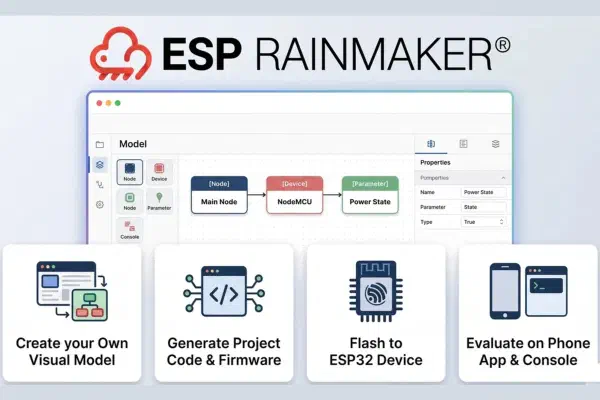
Learn to design an ESP RainMaker device data model using the Studio tool on Evaluation Hub, implement the ESP32-C3 hardware driver, and build, flash, and control a cloud-connected Rainbow LED from the ESP RainMaker Home app.
Still on improving our AI-based, embedded software workflow, this article applies the same AI-agent discipline to Zephyr. Using the same ESP Dualkey kit from M5Stack, specs, integration rules, plan→execute→commit→test, reusable modules, journals, and Git - without redefining the product.
AI assistants are most effective on ESP32 Rust firmware when you supply clear specs, pinned crates, reference implementations (often ESP-IDF C), and a tight verify loop. The article discusses good practices, pitfalls, discipline, and entropy. A brief explanation about the device is also included, along with the repository and all artifacts.
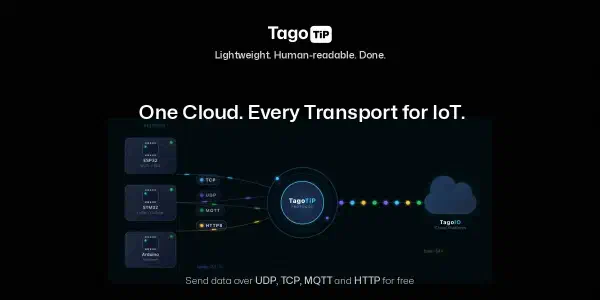
Connecting an ESP32 to a cloud platform usually means HTTP libraries, JSON parsers, and TLS handshakes. This tutorial shows a different approach: a single UDP datagram, built with snprintf, carrying structured sensor data in about 130 bytes. The TagoTiP open specification makes it possible by defining the data structure so you don’t have to.
We’re excited to announce the long-awaited release of ESP-IDF 6.0! This article highlights the key changes and improvements not only to ESP-IDF itself, but also to the broader ESP-IDF tooling ecosystem, all designed to enhance your developer experience.
The RED DA Assessment Tool simplifies the process of achieving cybersecurity compliance for ESP32 devices in line with the EU’s EN 18031 standards. This article explains how the tool helps you gather, validate, and generate all necessary documentation for RED Delegated Act self-assessment, including uploading configuration and SBOM files, completing risk assessments, mapping technical requirements, and preparing a declaration of conformity—making self-declaration fast, accurate, and accessible for IoT developers.
The EU Cyber Resilience Act introduces mandatory cybersecurity requirements for products with digital elements placed on the EU market. This blog outlines what the CRA means for ESP32-based products, the obligations for OEM manufacturers, and how Espressif will support customers in achieving compliance.
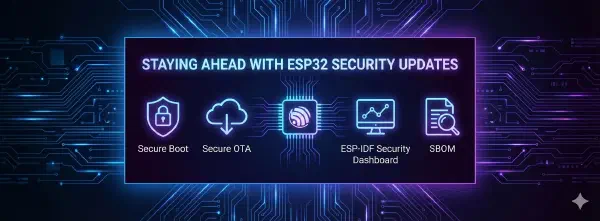
This article explains how manufacturers can use the ESP32 ecosystem to build and maintain secure firmware over time, especially in light of new regulations like the EU Cyber Resilience Act. It highlights tools such as vulnerability dashboards, Long-Term Support branches, and secure OTA updates to ensure ongoing compliance and device security.
This article announces the ESP-IDF port of Amazon KVS WebRTC SDK, featuring memory optimizations, split mode power savings, and a simplified API. We also showcase ESP RainMaker Camera as a production-ready use-case built on this SDK.
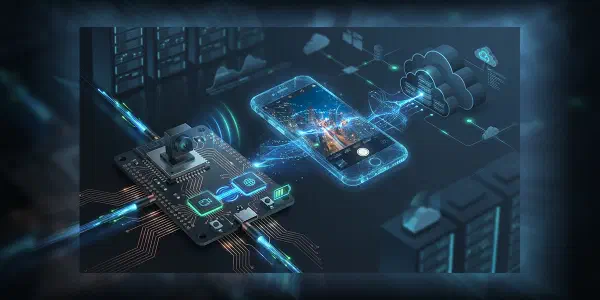
This article describes the Matter camera features introduced in Matter 1.5 and discusses camera support for the ESP32 series of SoCs using Espressif Matter SDK
As security expectations rise globally - driven by region-specific cybersecurity regulations - safeguarding device credentials has become critical for IoT manufacturers. This article explains how the ESP-TEE framework integrates with Matter and demonstrates building secure products using the Espressif RISC-V SoCs, showcasing hardware-enforced security that can resist scalable remote software attacks.
Fast and secure device restoration during boot-up is critical for real-time IoT applications like smart lighting. In this article, we explore how to reduce boot-up delays by restoring device state early, directly from the ESP-IDF bootloader.
Espressif is streamlining RED Delegated Act (RED-DA) compliance by providing pre-certified firmware platforms, documentation templates, and partner support to help developers meet the upcoming EN 18031 standard. With flexible pathways including self-declaration and third-party assessments, developers can accelerate EU market readiness for Aug 2025 and beyond.
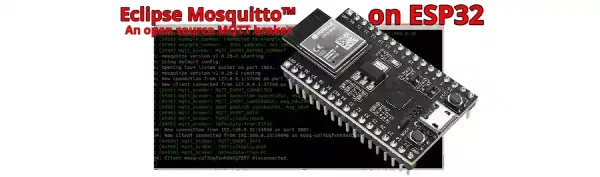
Mosquitto – the industry-standard MQTT broker – has been ported to ESP-IDF. Its lightweight version retains Mosquitto’s core functionality and security features to run on resource-constrained IoT devices. This MQTT broker is ideal for edge computing, testing, and standalone IoT deployments. In this article, we will do an overview and show you how to get started.
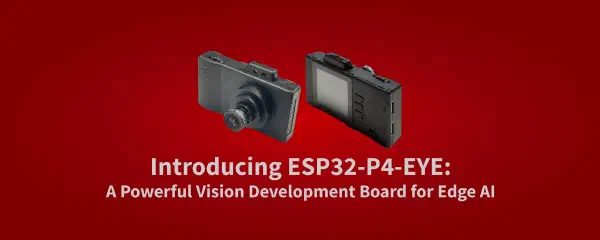
Discover the ESP32-P4 EYE DevKit — a compact, camera-focused development board designed for real-time image processing and edge computing. Learn how this powerful, low-cost solution can accelerate your next smart camera or IoT project.
This guide helps manufacturers of wireless-enabled products based on Espressif modules understand the RED DA (EN 18031) cybersecurity requirements, identify their product’s category, and determine the right path to certification before launching in the EU market.
This article provides a high level overview of the security architecture of the ESP RainMaker IoT platform, covering all aspects like device hardware and network security, client network security, authentication and access control, user-device mapping, cloud data security and certifications.