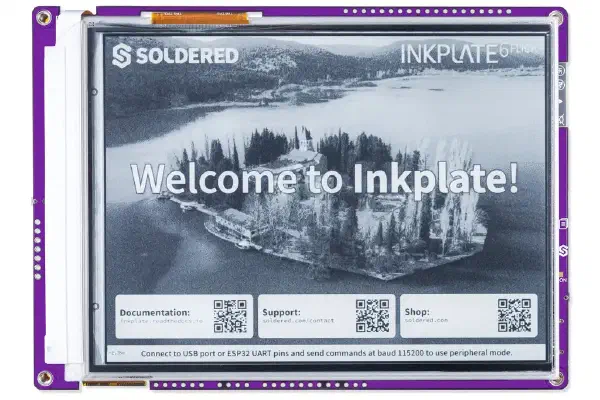
Inkplate is a family of all-in-one, open-source e-paper development boards built around the ESP32. This article introduces the Inkplate lineup, covers the hardware, the Arduino and MicroPython libraries, and the kinds of projects you can build, explaining why ESP32 makes e-paper development accessible for everyone.
This article walks through Espressif power modes and NuttX power states, then explains how they map to each other. Then it introduces NuttX’s power management system and the concept of governors. The how-to part shows how to control sleep modes from the shell and a custom application. Finally, you will see real power‑consumption measurements across multiple ESP chips to illustrate the practical impact using power states.
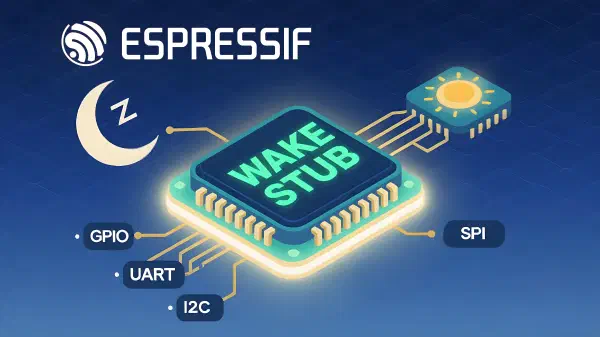
In this article, we first explain the principles behind the Deep-sleep wake stub application and then demonstrate how to implement GPIO, UART, I2C, and SPI within it.
In this article, we’ll start with a quick overview of Ultra Low Power coprocessors (ULPs) in Espressif chips and how they can significantly reduce power consumption in your applications. Then, we’ll walk through a tutorial on how to use ULPs in practice!