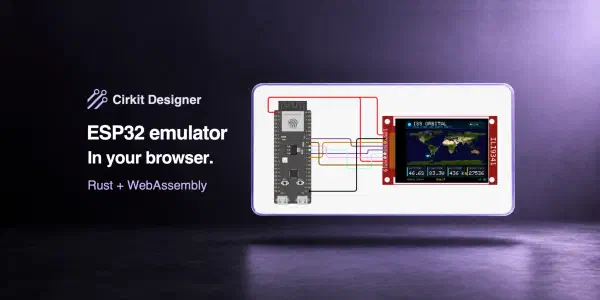
This article introduces Cirkit Designer’s simulation architecture for ESP32 and ESP32-S3: an instruction-accurate emulator built from scratch in Rust, compiled to WebAssembly, and connected to simulated hardware in the browser. We’ll look at how compiled firmware executes and how it interacts with simulated peripherals.
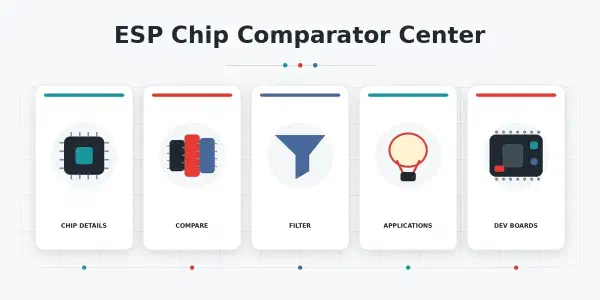
Espressif chips now run from the ESP8266 and ESP32 through the S, C, H, P, and E series, and the details live in many datasheets. The Chip Comparison Center puts one chip’s capabilities, side-by-side differences, requirement filters, application references, and matching development boards on a single page so you can choose a chip or a board faster.
This article explains what are the default values in the ESP-IDF configuration and how they are managed in the configuration system in the upcoming ESP-IDF v6. The purpose and behavior of default values are described. This article also explains what is a conflict in default values and how to resolve it with the “idf.py refresh-config” command.