This case study assesses device-to-cloud IoT implementation of products based on ESP32-C5 and ESP RainMaker against the EN 18031 security requirements for the EU market.
The CRA’s vulnerability reporting obligations start on 11 September 2026 and apply to products already on the market, including ones sold years ago. What Article 14 requires, which duties run to whom, how reporting works through the ENISA Single Reporting Platform, and where the Espressif platform layer fits.
The EU Cyber Resilience Act introduces mandatory cybersecurity requirements for products with digital elements placed on the EU market. This blog outlines what the CRA means for ESP32-based products, the obligations for OEM manufacturers, and how Espressif will support customers in achieving compliance.
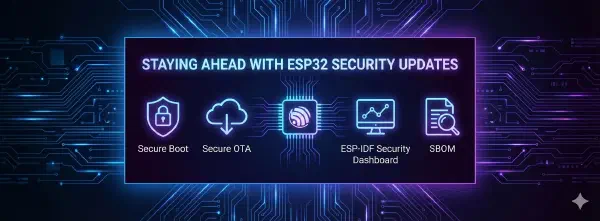
This article explains how manufacturers can use the ESP32 ecosystem to build and maintain secure firmware over time, especially in light of new regulations like the EU Cyber Resilience Act. It highlights tools such as vulnerability dashboards, Long-Term Support branches, and secure OTA updates to ensure ongoing compliance and device security.
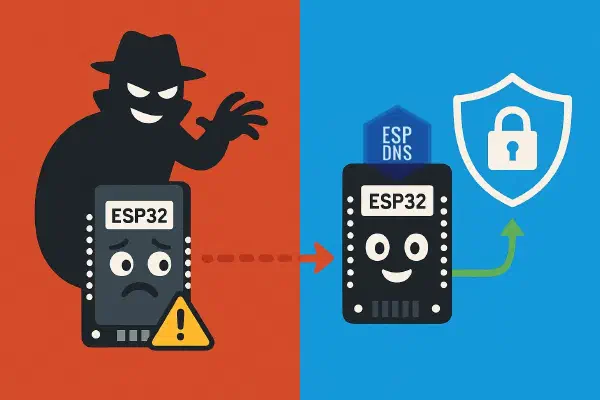
This article introduces the ESP DNS component and explains why securing DNS resolution is essential for ESP32-based IoT devices. It shows how DNS over TLS (DoT) and DNS over HTTPS (DoH) can be enabled transparently in ESP-IDF with minimal code changes, using standard DNS APIs. Practical examples and guidance help developers choose the right protocol while balancing security, performance, and resource constraints.
This article introduces fuzzing — a technique for finding vulnerabilities — and demonstrates practical workflows and lessons learned for ESP-IDF components and embedded libraries in general.
As security expectations rise globally - driven by region-specific cybersecurity regulations - safeguarding device credentials has become critical for IoT manufacturers. This article explains how the ESP-TEE framework integrates with Matter and demonstrates building secure products using the Espressif RISC-V SoCs, showcasing hardware-enforced security that can resist scalable remote software attacks.
Fast and secure device restoration during boot-up is critical for real-time IoT applications like smart lighting. In this article, we explore how to reduce boot-up delays by restoring device state early, directly from the ESP-IDF bootloader.
Espressif is streamlining RED Delegated Act (RED-DA) compliance by providing pre-certified firmware platforms, documentation templates, and partner support to help developers meet the upcoming EN 18031 standard. With flexible pathways including self-declaration and third-party assessments, developers can accelerate EU market readiness for Aug 2025 and beyond.
This guide helps manufacturers of wireless-enabled products based on Espressif modules understand the RED DA (EN 18031) cybersecurity requirements, identify their product’s category, and determine the right path to certification before launching in the EU market.