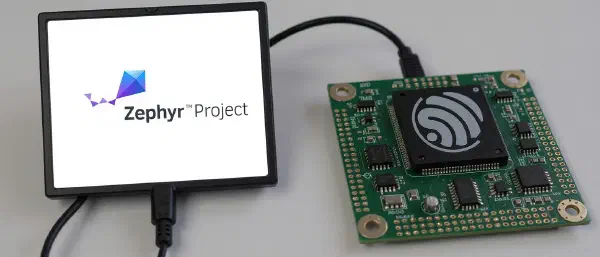
Still on improving our AI-based, embedded software workflow, this article applies the same AI-agent discipline to Zephyr. Using the same ESP Dualkey kit from M5Stack, specs, integration rules, plan→execute→commit→test, reusable modules, journals, and Git - without redefining the product.
This guide provides a practical getting‑started walkthrough for using MCUboot on ESP32. It covers step-by-step environment setup, bootloader building, application configuration, and flashing. It also gives an overview of MCUboot’s execution flow.
In this article, we explore a simplified ESP32 boot process using single-image binaries to speed up build and flash times — ideal for development workflows. This approach sacrifices features like OTA updates but enables faster iteration.
This is an introduction to the critical embedded system debugging techniques of tracing and profiling within the Zephyr RTOS. After reading this article, you can use Zephyr’s native tracing tools to gain a visual, in-depth understanding of system dynamics, helping to evaluate performance, spot timing issues, and diagnose complex problems like memory leaks or thread interaction glitches.
This article addresses the complexity of Espressif SoCs by offering a visual, structured compilation of crucial technical data from their datasheets and TRMs. The main takeaway for the reader is a simplified, actionable understanding of the memory maps, caches, peripherals, and eFuse blocks, which is essential for low-level system and driver development.